
Wound pressure review
Review the wound and patient-specific factors to guide treatment.
Pressure on an injured area can make wound care more difficult, particularly for foot ulcers and pressure-related wounds. Offloading methods, positioning guidance and suitable support devices may be used to reduce stress on the wound. The approach is selected for the patient’s mobility and care needs.
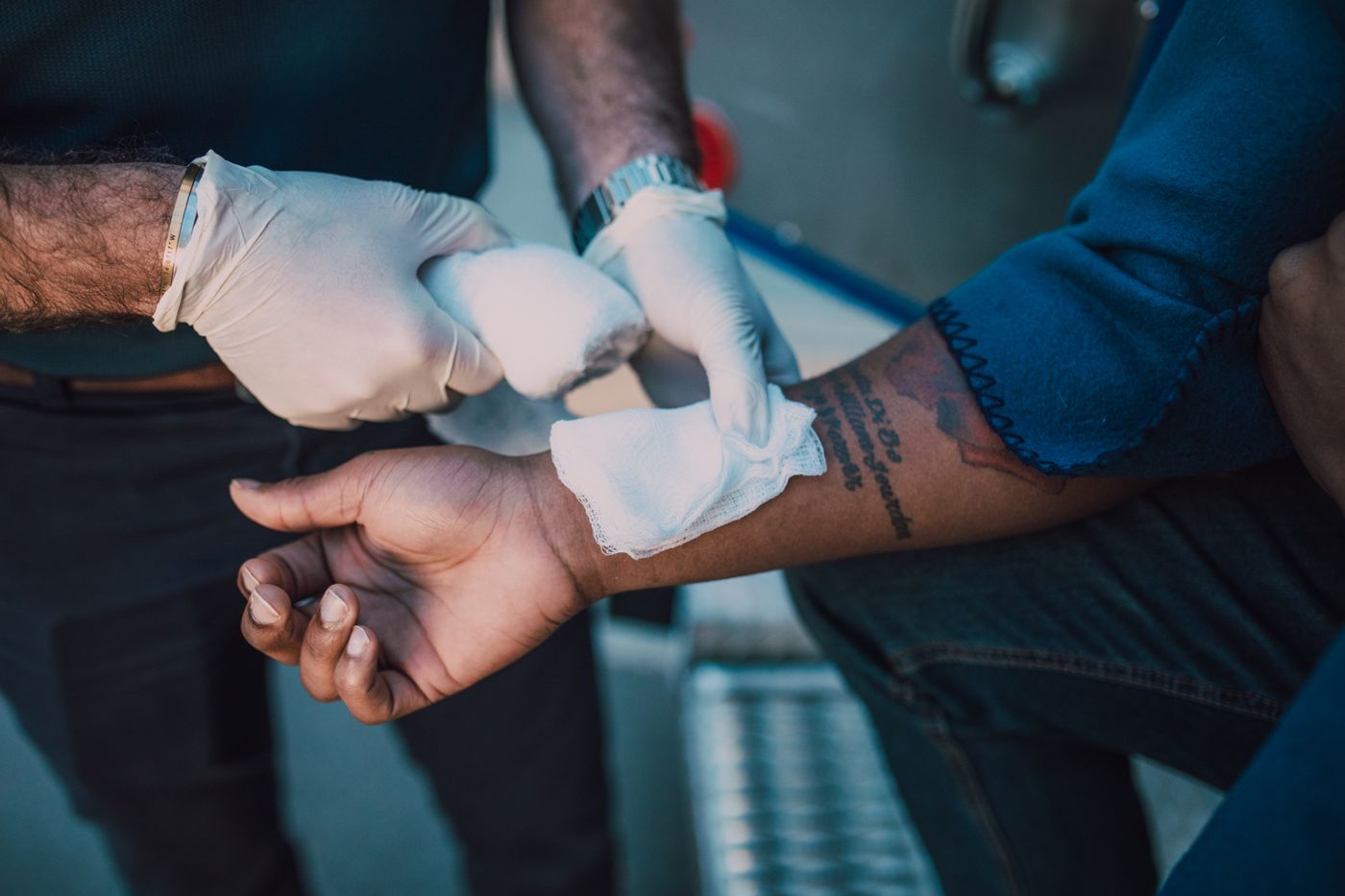
Pressure on an injured area can make wound care more difficult, particularly for foot ulcers and pressure-related wounds.
Offloading methods, positioning guidance and suitable support devices may be used to reduce stress on the wound. The approach is selected for the patient’s mobility and care needs.
Pressure on an injured area can make wound care more difficult, particularly for foot ulcers and pressure-related wounds. Offloading methods, positioning guidance and suitable support devices may be used to reduce stress on the wound. The approach is selected for the patient’s mobility and care needs.
Review the wound and patient-specific factors to guide treatment.
Provide appropriate dressing care and monitor changes based on the care plan.
Discuss relevant measures and coordinate care where clinically indicated.
Support ongoing monitoring, follow-up and patient guidance.
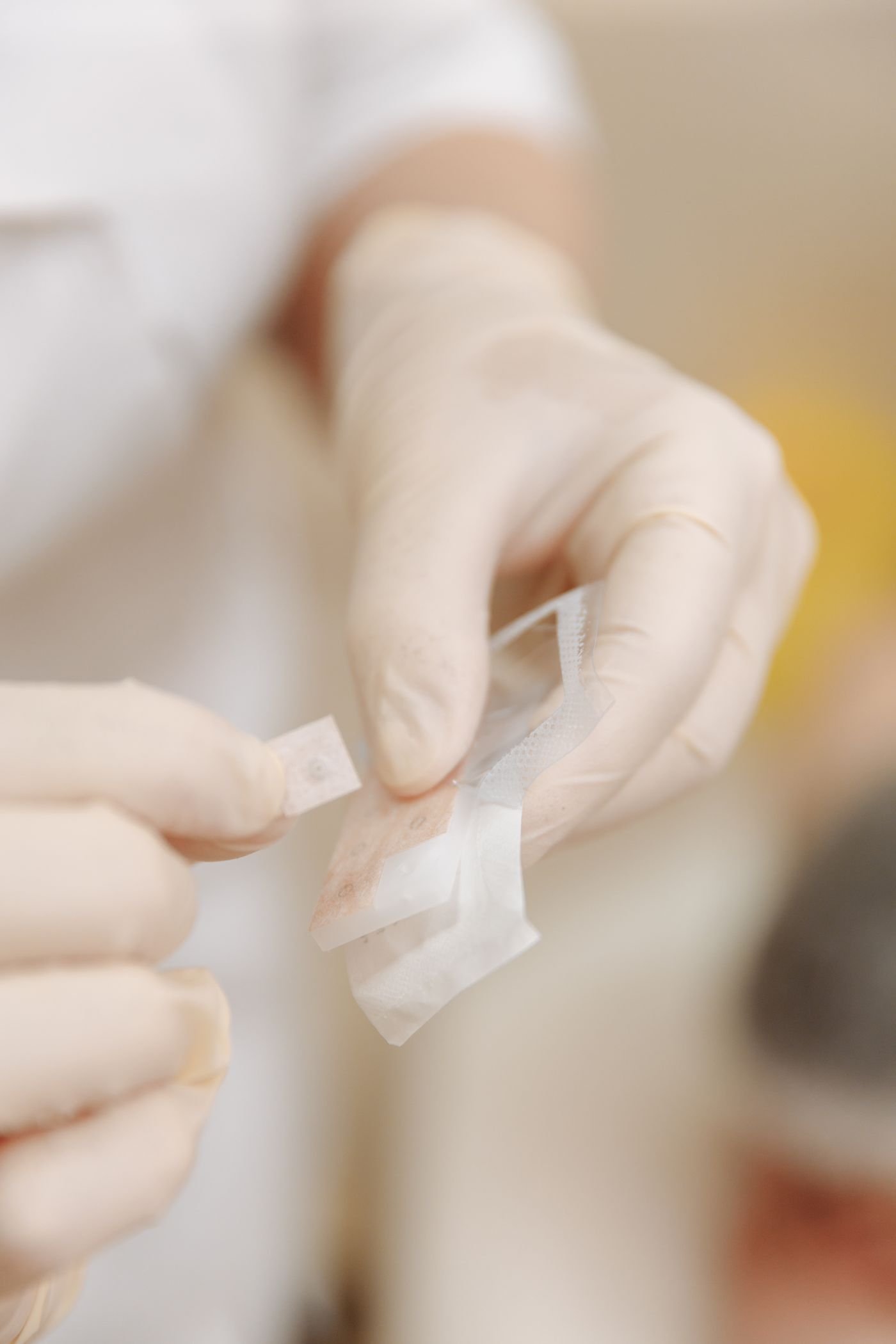
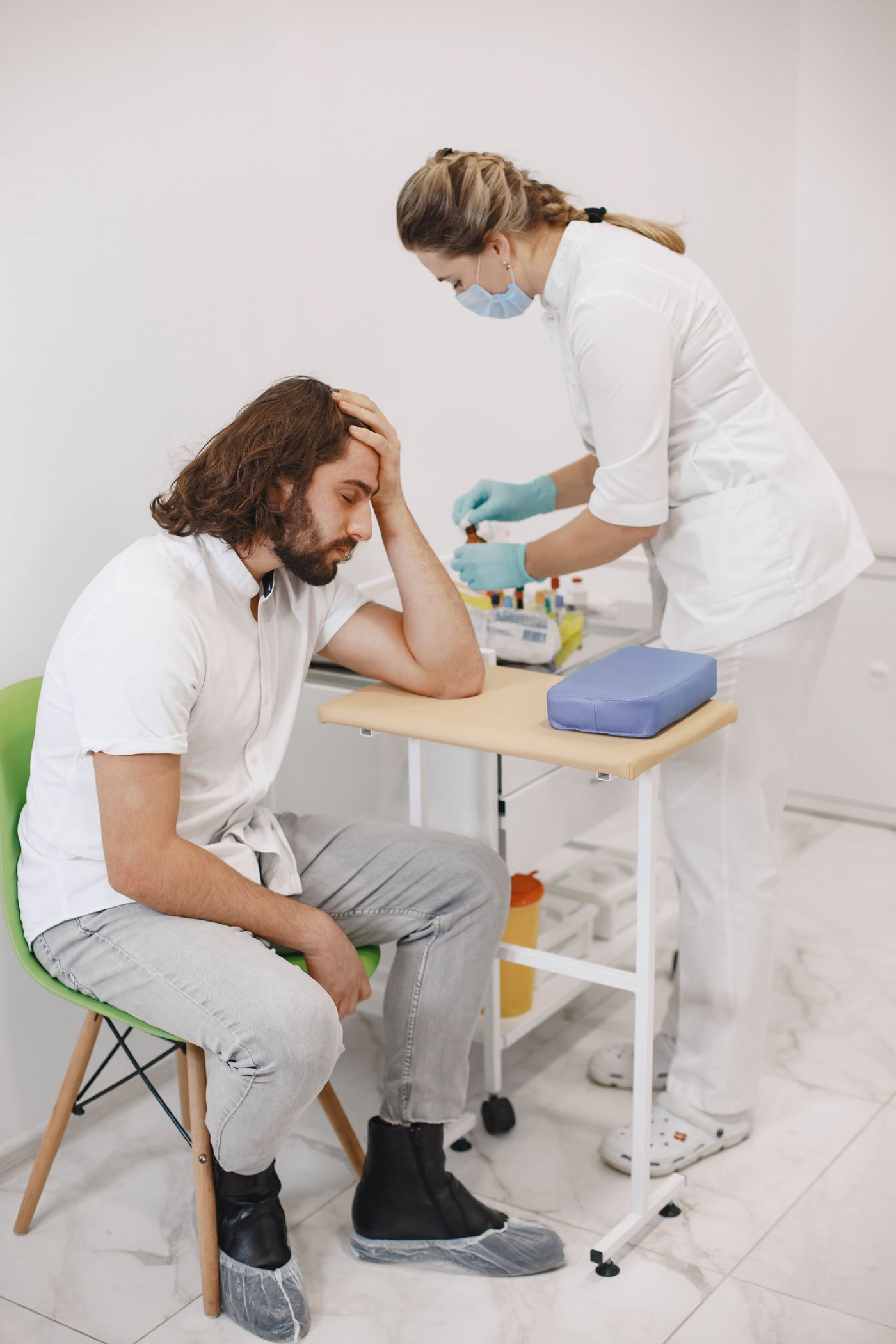
Pressure on an injured area can complicate care, especially for foot ulcers and pressure-related wounds.
Offloading, positioning and suitable support devices may be used according to patient mobility and individual care needs.
DISCUSS YOUR CARE NEEDS ↗Contact our team to discuss wound care needs and next steps.
Call or submit a request to discuss your wound care needs.
A clinician reviews the wound and relevant health considerations.
Care and follow-up are tailored to the individual treatment plan.
Contact Visiting Doctor Solutions to discuss wound care services and request an appointment.