Wound assessment
Review the type of wound and relevant clinical factors.
Autologous biologic approaches use components derived from the patient’s own blood or tissue in selected clinical settings. Their role in wound management depends on the type of wound, the patient’s health and the available treatment options. Clinical assessment and follow-up guide decisions about use.
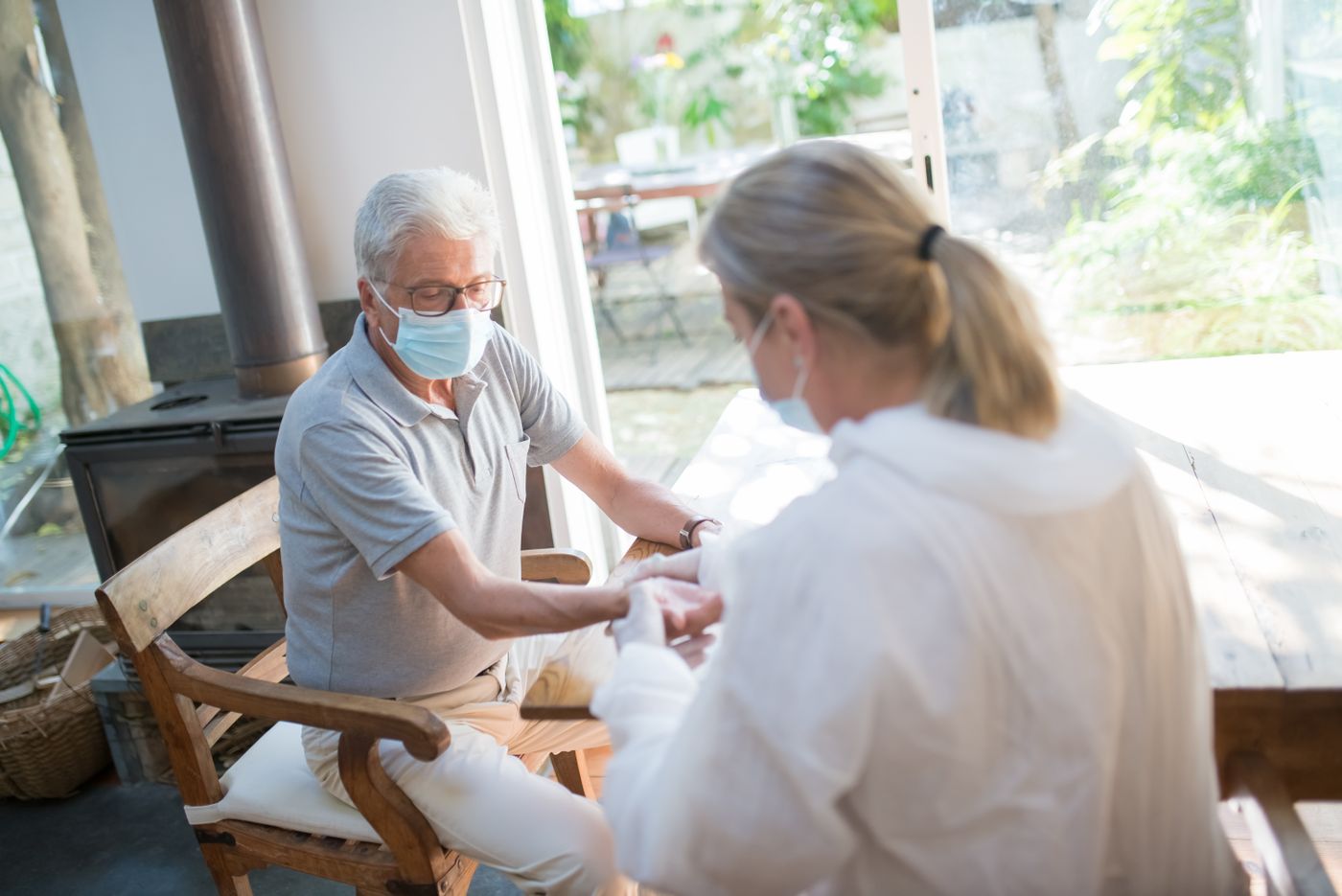
Autologous biologic approaches use components derived from the patient’s own blood or tissue in selected clinical settings.
Autologous biologic approaches use components derived from the patient’s own blood or tissue in selected clinical settings. Their role in wound management depends on the type of wound, the patient’s health and the available treatment options. Clinical assessment and follow-up guide decisions about use.
Assessment and follow-up support clinical treatment planning.
Review the type of wound and relevant clinical factors.
Consider patient health and suitability for a proposed approach.
Evaluate the role of autologous approaches alongside other available options.
Monitor progress and guide subsequent treatment decisions.
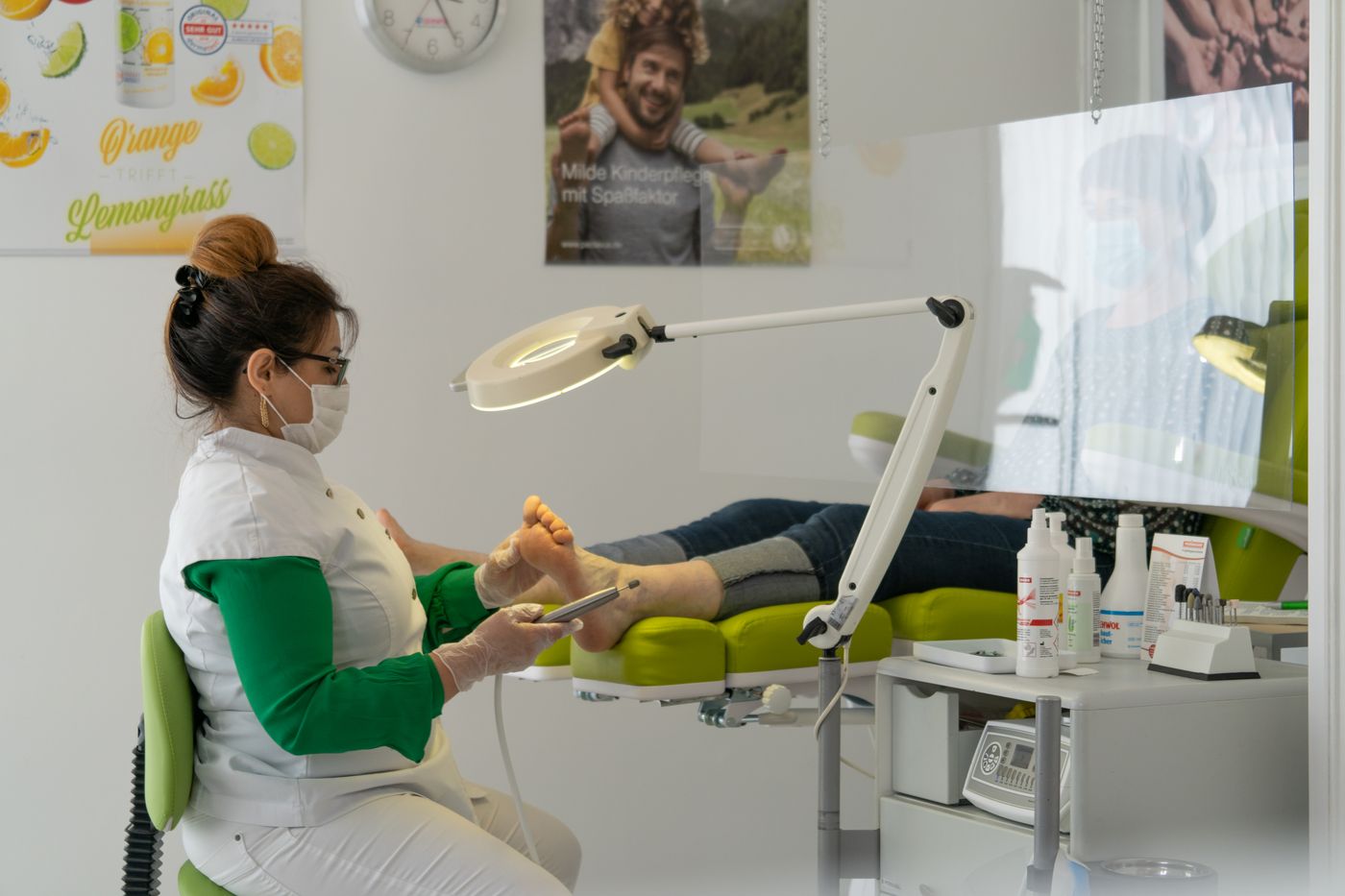

Autologous approaches use components from the patient’s own blood or tissue in selected settings.
Their use depends on wound type, patient health, available options and clinical follow-up.
DISCUSS YOUR CARE NEEDS ↗Contact our team to discuss wound care needs and next steps.
Call or submit a request to discuss your wound care needs.
A clinician reviews the wound and relevant health considerations.
Care and follow-up are tailored to the individual treatment plan.
Contact Visiting Doctor Solutions to discuss wound care services and request an appointment.