
Suitability assessment
Assess whether controlled suction therapy is appropriate for the wound.
Negative pressure wound therapy uses a sealed dressing connected to a device that applies controlled suction. For appropriate wounds, this may help manage drainage and support the wound environment. Providers assess suitability, monitor the device and dressing, and review the wound during follow-up.
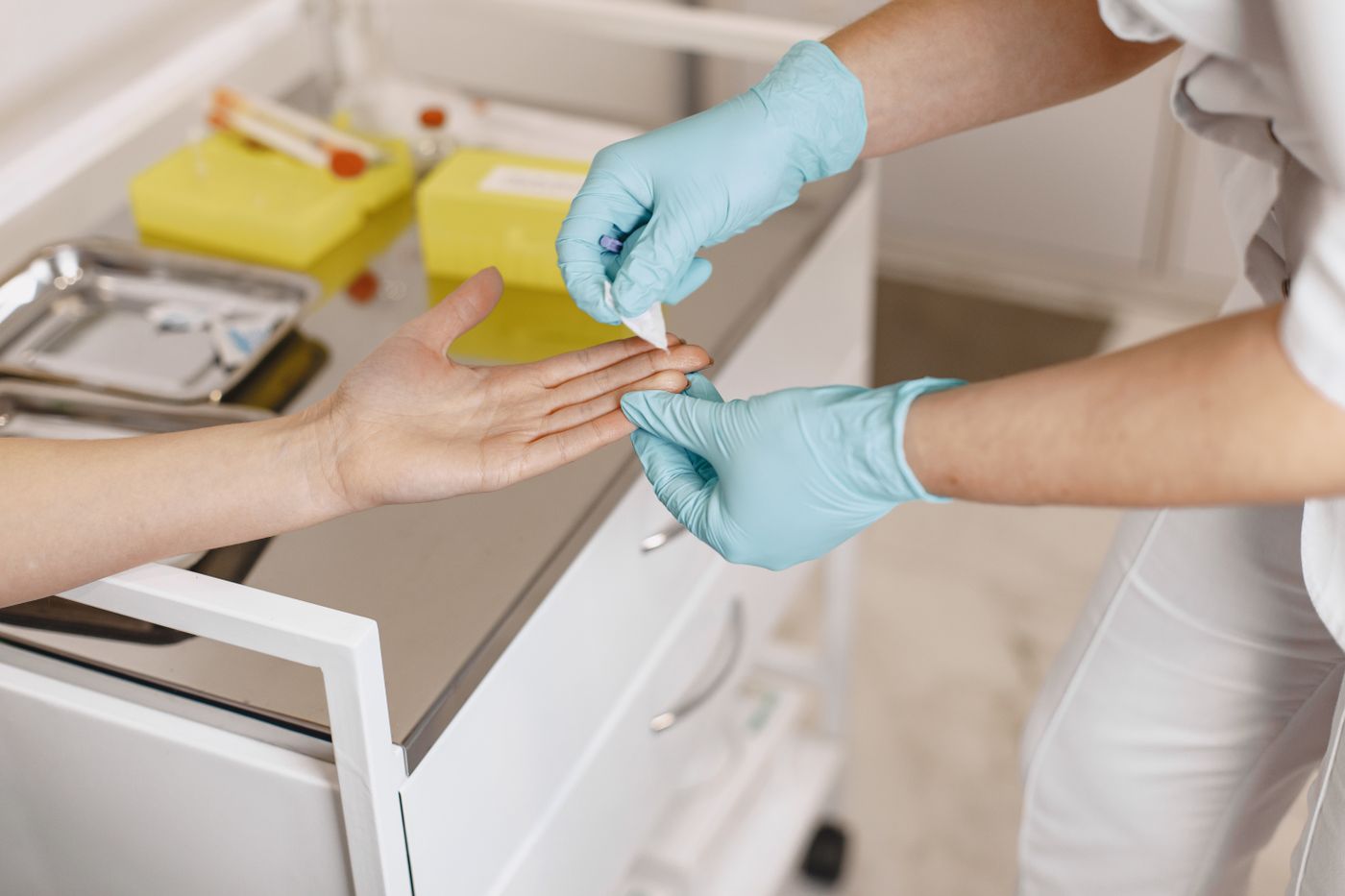
Negative pressure wound therapy uses a sealed dressing connected to a device that applies controlled suction.
Negative pressure wound therapy uses a sealed dressing connected to a device that applies controlled suction. For appropriate wounds, this may help manage drainage and support the wound environment. Providers assess suitability, monitor the device and dressing, and review the wound during follow-up.
Negative pressure wound therapy uses a sealed dressing connected to a device that applies controlled suction. For appropriate wounds, this may help manage drainage and support the wound environment. Providers assess suitability, monitor the device and dressing, and review the wound during follow-up.
Assess whether controlled suction therapy is appropriate for the wound.
Monitor the sealed dressing and suction device during care.
Review wound drainage and the treatment environment.
Evaluate the wound response and ongoing treatment needs.
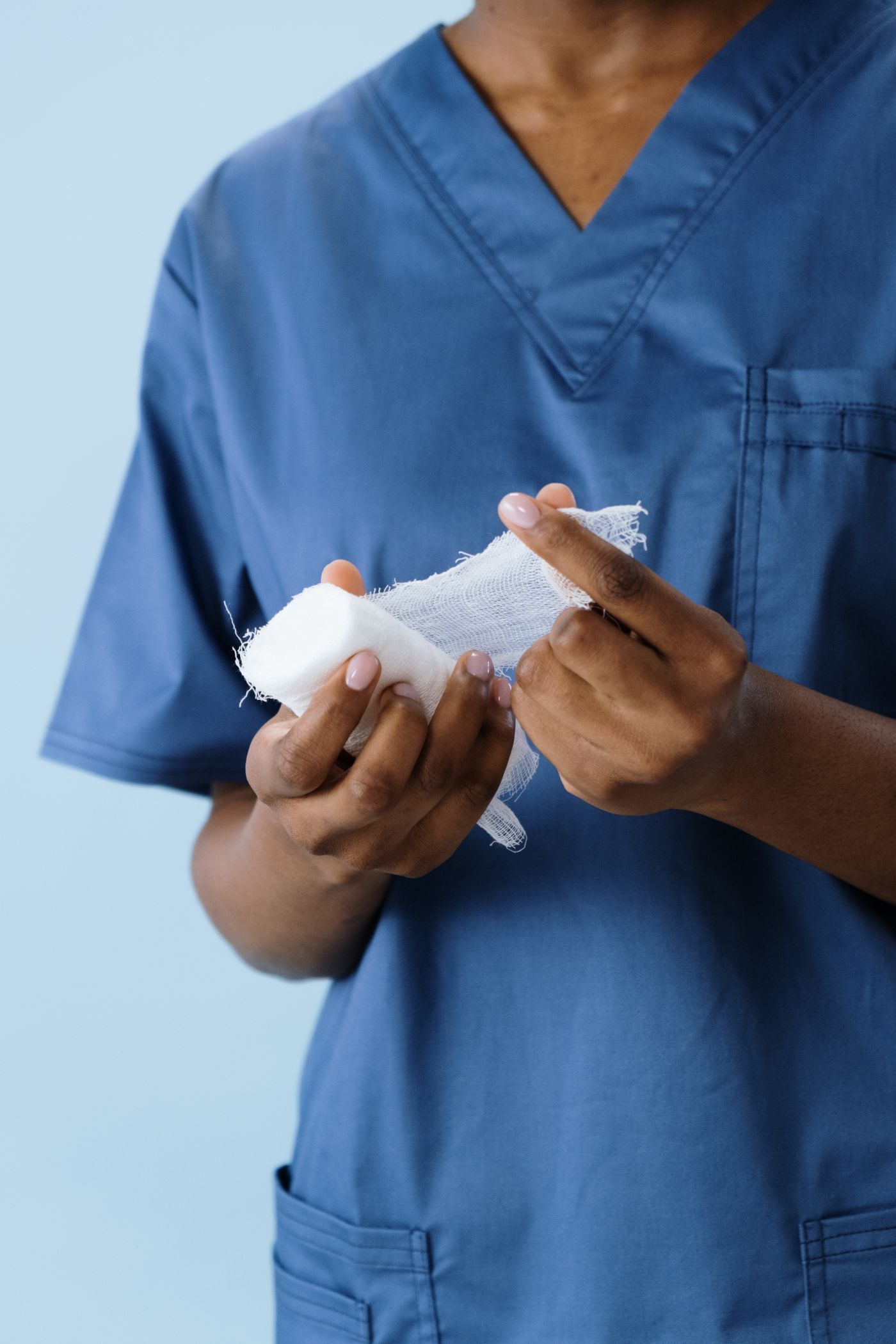
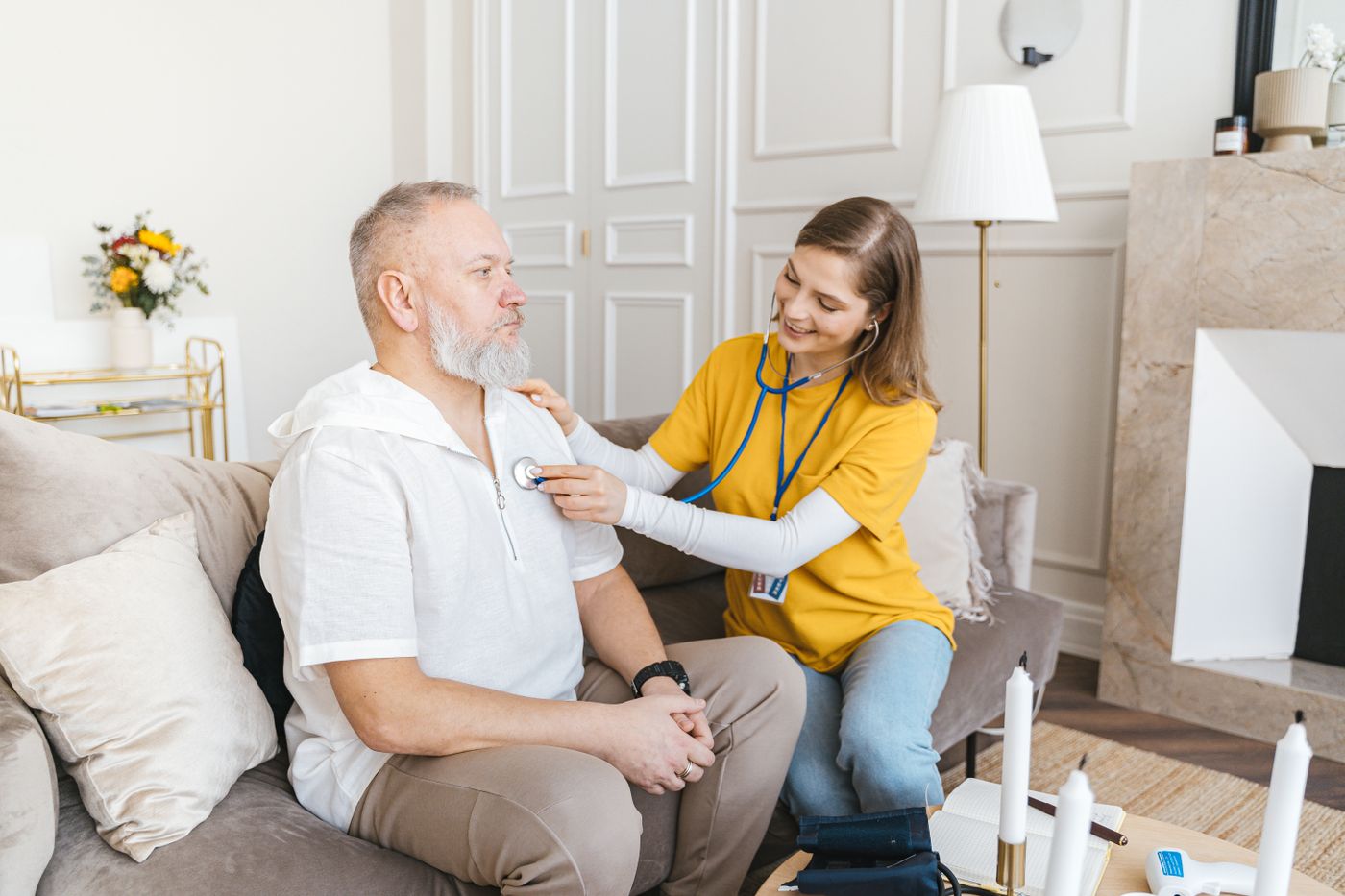
Negative pressure wound therapy uses a sealed dressing connected to a device that applies controlled suction.
Negative pressure wound therapy uses a sealed dressing connected to a device that applies controlled suction. For appropriate wounds, this may help manage drainage and support the wound environment. Providers assess suitability, monitor the device and dressing, and review the wound during follow-up.
DISCUSS YOUR CARE NEEDS ↗Contact our team to discuss wound care needs and next steps.
Call or submit a request to discuss your wound care needs.
A clinician reviews the wound and relevant health considerations.
Care and follow-up are tailored to the individual treatment plan.
Contact Visiting Doctor Solutions to discuss wound care services and request an appointment.